Story Noº 7 / 151: The Patterns That Come and Go
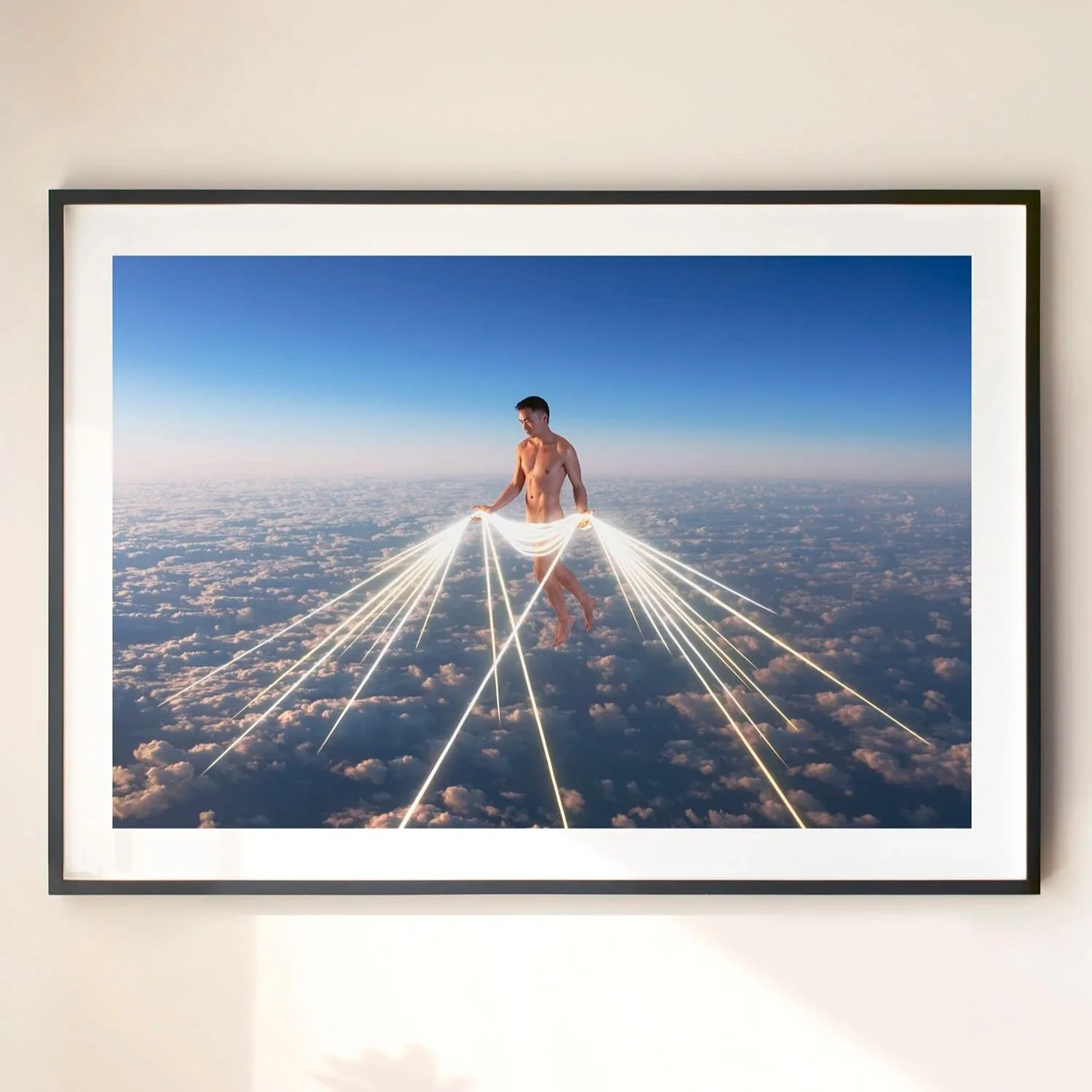
Noº 7/151: The Patterns That Come and Go
Collection: Beyond the Observatory Roof
Last week I was living in Mexico with my boyfriend.
Today I’m back at my parent’s house in Mount Shasta, California, and I’m single again.
I’ve spent the past few days reorganizing spaces, throwing away expired goods, and noticing how quickly a life becomes temporary.
This photograph began because I became obsessed with the invisible lines pulling us toward futures we mistake for coincidence while we’re still inside them.
For this piece I wanted the figure to feel less like a man and more like inevitability itself. Calm and mythological enough to become unsettling. A being who appears to already know how the story ends.
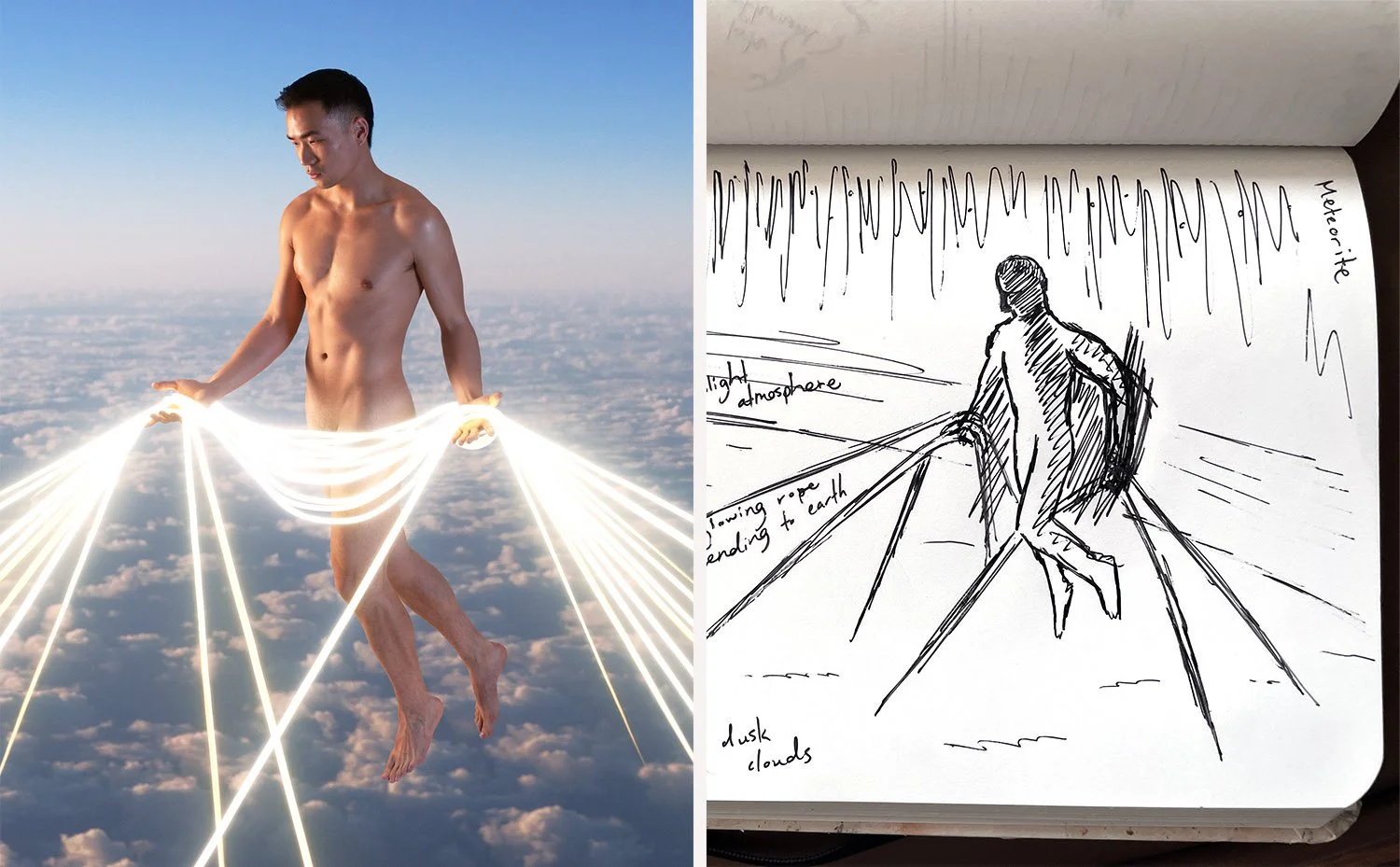
The clouds were photographed during a flight between Hawaii and San Diego. The model was photographed in Mexico City. The beams descending through the image were created using a rope light that literally burned itself out during production. Half of it died mid-shoot. By the end we threw it away.
None of the final image technically existed in reality all at once.
But then neither do most of the stories people tell themselves about their lives.
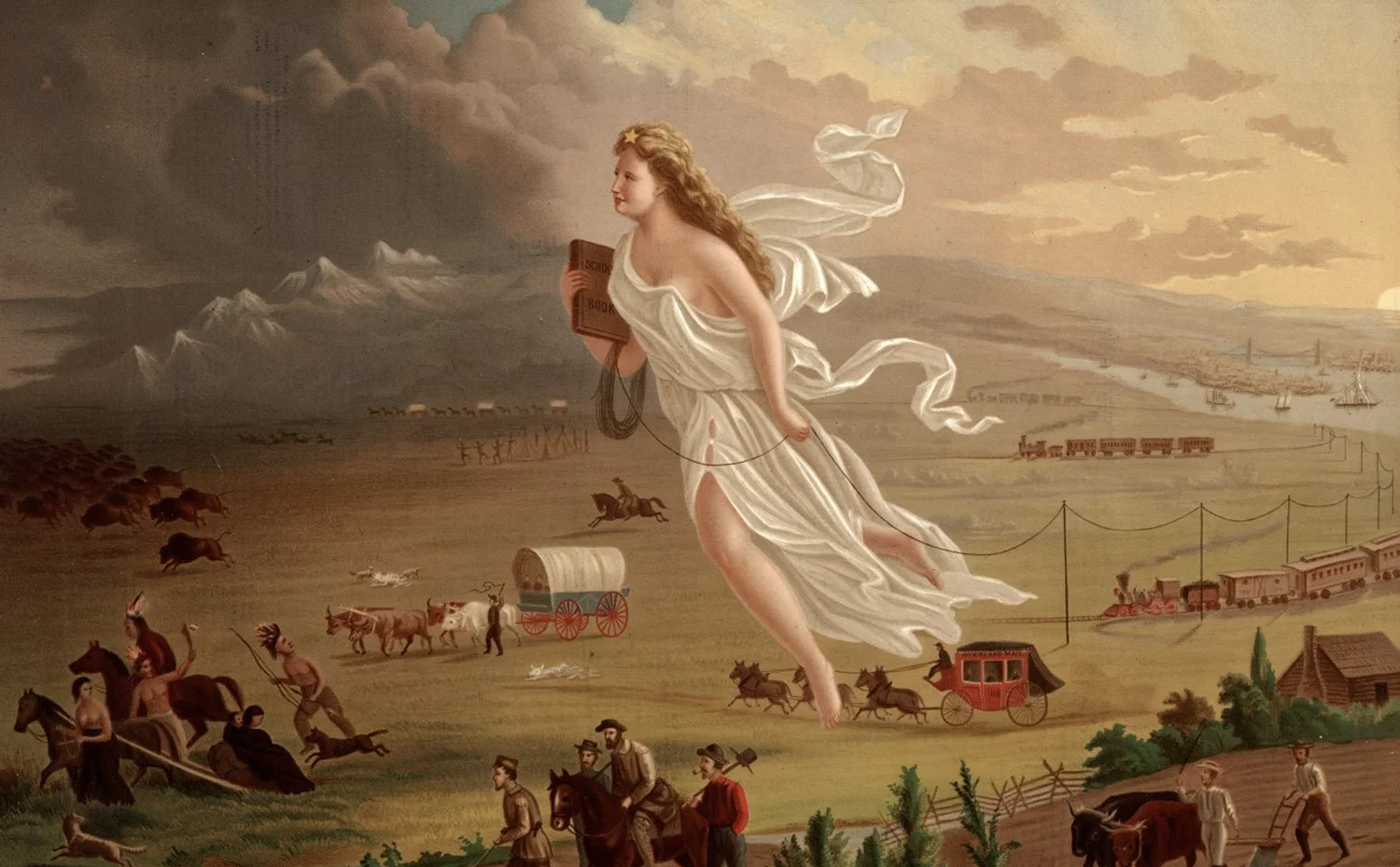
Somewhere during editing I realized the pose reminded me of American Progress, the old Manifest Destiny painting where this allegorical woman drifts across America helping justify expansion, conquest, and the general historical habit of white people arriving somewhere and immediately calling it fate.
The visual language felt familiar.
Religious paintings, propaganda posters, luxury advertising, photography — all of them understand the same basic trick: place a beautiful body in the centre of enough empty space and people start assigning it real meaning.
Placing a queer Asian man at the centre of this mythology destabilizes it automatically.
Take whatever strange little obsession is rattling around your brain today — loneliness, sex, short men with nice shoulders — and make it beautiful.
That’s basically my job here.
Personally, I spend a great deal of time trying to make my anxieties look worthy of museum-grade paper. Embossed signature on front. Edition number on back. The human condition, professionally archived.
That’s what collectors are actually buying.
Not paper. Not archival pigment. Not even the image itself.
What they collect is a way of seeing.
Evidence that, for one brief moment, somebody managed to organize chaos into something coherent enough to live with on a wall.
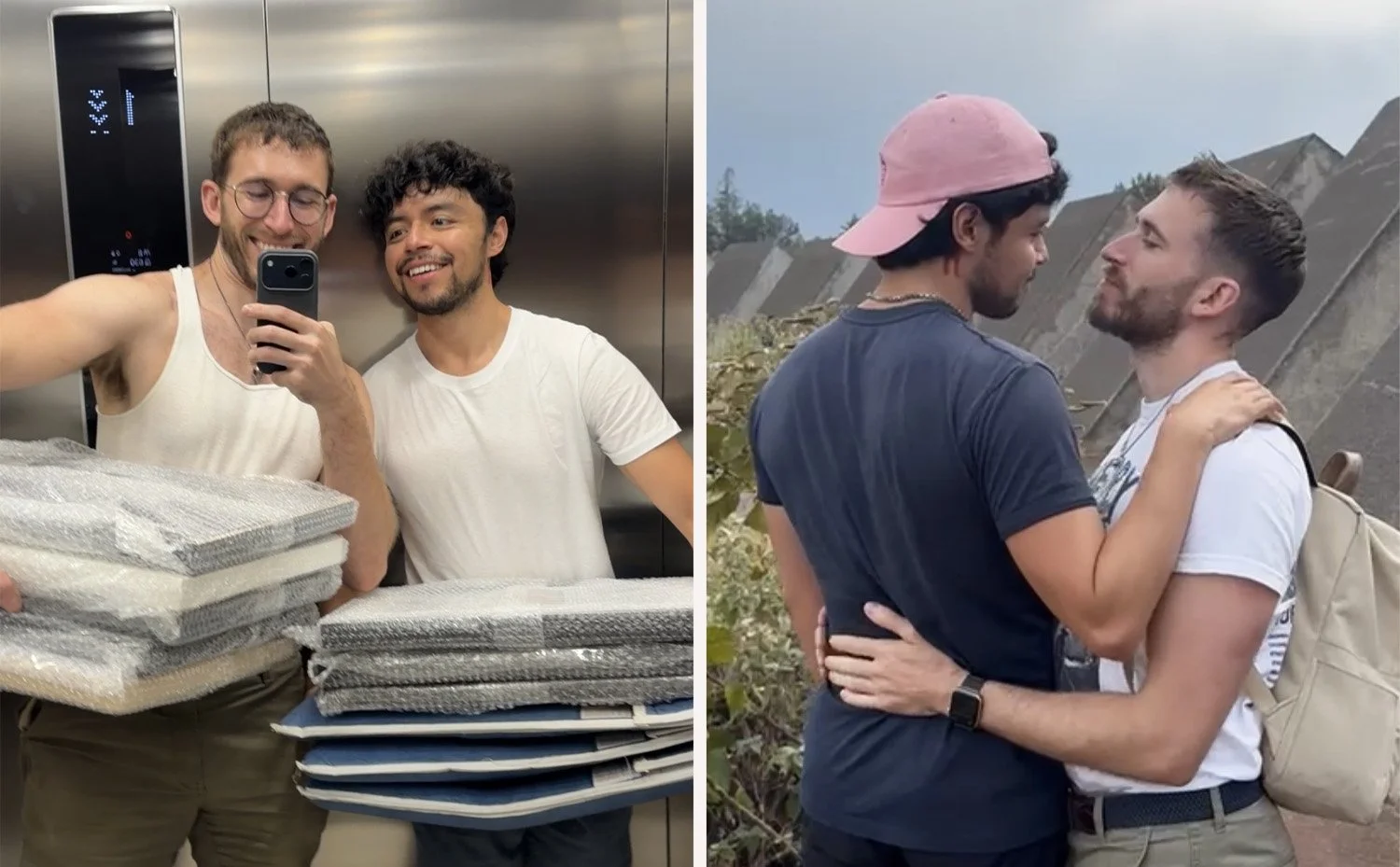
A few days ago I realized the person physically holding the rope light during the shoot — the person helping me construct these glowing strands of fate descending through the image — was my now ex-boyfriend.
At the time it meant nothing.
Now it feels unbearably symbolic.
You look back and suddenly everything starts pretending it had structure from the beginning.
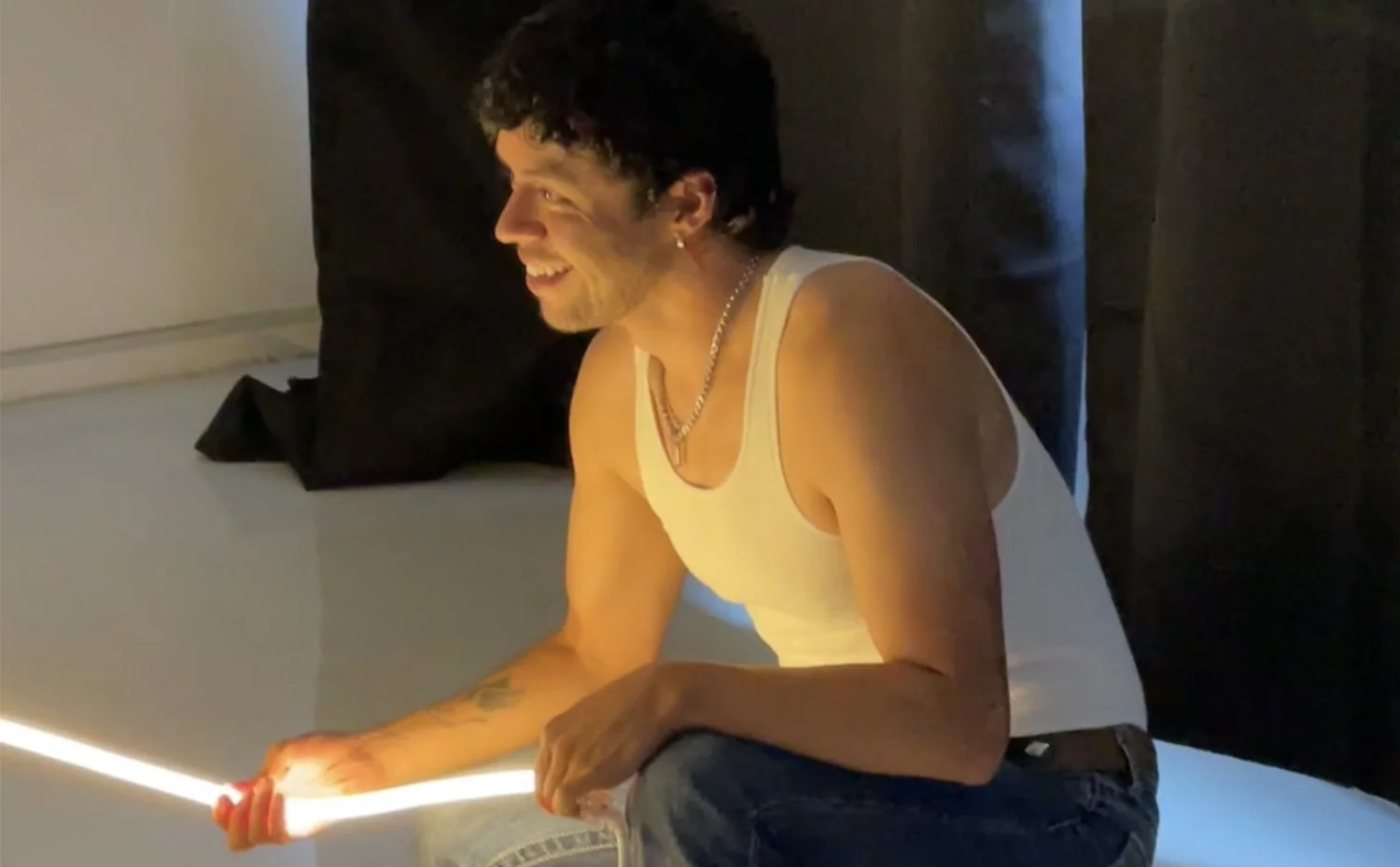
I’ve been an artist long enough that my life increasingly feels inevitable in retrospect. Which is odd, because most of the time while you’re living it, life feels completely improvised. You make a series of emotional decisions and later call the result your identity.
I can’t tell whether I’m documenting my life anymore or trying to convince myself it had shape the entire time.
Artists and collectors understand this impulse better than most people.
The artworks and the people we keep closest are rarely the ones that fully resolve themselves. They’re the ones that continue behaving differently as we change around them. Images that remain slightly ahead of our understanding.
The photograph is called The Patterns That Come and Go.
Which, I suppose, is another way of describing life… and love.
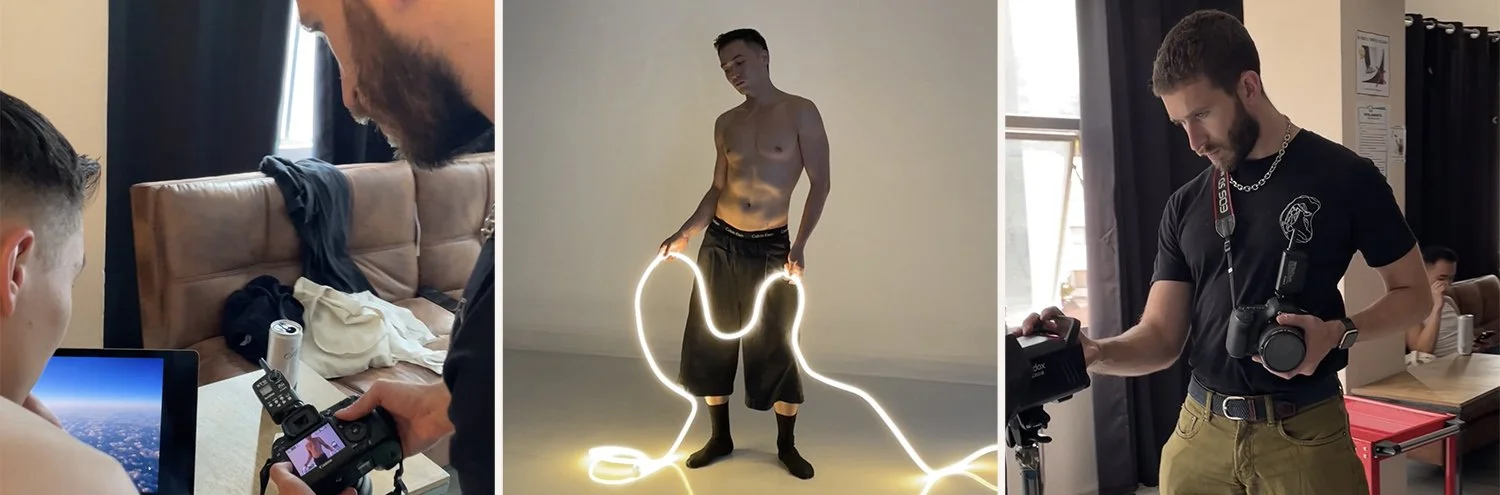
If this was worth your time, pass it on.
This work will become a book.
Photographs and field notes by James Miille
Words by Jona Montoya